Sewing Embroidery Digital Papers Pack Review for Real Projects
As a seasoned embroidery designer and product reviewer, I’m always on the lookout for digital design packs that offer both style and functionality. When I first laid eyes on the Sewing Embroidery Digital Papers Pack, I was intrigued by its promise of seamless square JPG backgrounds with cute linear sewing elements. Let me walk you through how this collection stacks up in real-world embroidery projects—where it shines, where to tread carefully, and what kind of products it best complements.
A Designer’s First Impression
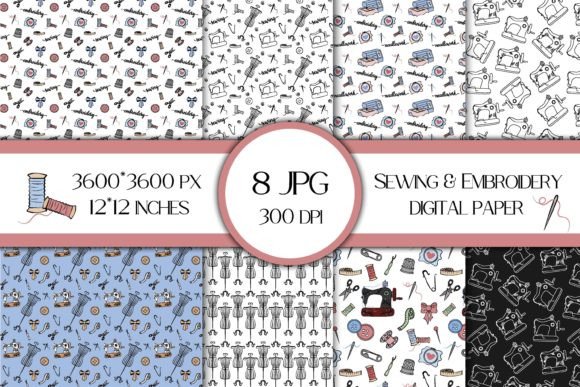
The Sewing Embroidery Digital Papers Pack immediately gives off a warm, creative vibe. The eight included designs are clean, minimalistic, and centered around sewing tools like mannequins, needles, embroidery machines, and sewing machines. The linear aesthetic suggests a modern take on traditional craft themes, making it feel fresh but familiar.
I found the mood of the patterns to be playful yet professional. They don’t scream “crafty,” but they do whisper “handmade” with subtle charm. This makes them versatile for both personal and commercial use. As an embroidery designer, I appreciate the attention to detail in the layout—each pattern is designed as a seamless square, which is ideal for tiling or using as standalone graphics in various formats.
Who Is This For?
This pack would naturally appeal to crafters, small shop owners, and Etsy sellers who want to add a touch of authenticity to their handmade products. It also fits well within the toolkit of apparel decorators and embroidery designers looking to create cohesive branding across items like tote bags, sweatshirts, or baby clothes.
Real-Life Use: Tote Bag Design Project
To test the Sewing Embroidery Digital Papers Pack, I decided to apply one of the designs to a custom embroidered tote bag. I chose the pattern featuring a small sewing machine and needle—subtle enough not to overwhelm the fabric, yet distinct enough to make a statement.
After converting the JPG into an embroidery file (a step I’ll explain later), I noticed how the linear elements translated well into stitch definitions. The pattern didn’t require overly complex stitches; instead, it worked nicely with a combination of running stitch and light fill stitch. The result was a soft, textured look that felt at home on cotton canvas—a common choice for tote bags.
Customers loved the understated design. One even remarked how it looked like something from a boutique, which is exactly the kind of feedback we aim for when crafting handmade products. The pattern gave the tote a sense of purpose and identity, perfect for a custom apparel line targeting craft enthusiasts or home décor lovers.
Where This Design Works Well
- Tote Bags: The square format fits neatly in mid-sized hoops, and the design doesn’t compete with text or logos.
- Sweatshirts & T-Shirts: Ideal for back-of-shirt embroidery or as all-over printed graphics for casual wear.
- Baby Clothes & Nursery Decor: The gentle lines and sewing motifs feel safe and nurturing, fitting well for baby embroidery.
- Pillow Covers & Tea Towels: These items benefit from the seamless nature of the background, especially if used as repeating patterns.
- Holiday Gifts & Personalized Products: With minor tweaks, these could become part of a holiday-themed collection—think festive thread colors or layered with text.
- Printable Mockups & Digital Previews: The JPGs are high quality and suitable for showing your design assets in action without actual stitching.
Where to Be Careful
While the Sewing Embroidery Digital Papers Pack is adaptable, there are some limitations to consider before applying it to every project. Here are areas where I’d recommend extra caution:
- Small Hoop Sizes: Some patterns include detailed elements that may get lost when shrunk down for patches or caps.
- Textured Fabrics: The linear nature of the design might not show up clearly on flannel or canvas unless properly stabilized.
- Thin or Stretchy Fabrics: Delicate materials can cause distortion in tight stitch density areas, so testing is essential.
- Dark Fabric Backgrounds: Thread color contrast becomes tricky here. If you’re going to use the design on darker materials, ensure the thread palette includes lighter shades.
- Curved Surfaces: On caps or curved seams, alignment can be challenging. Always preview the placement digitally before stitching.
- Frequent Washing Items: Like tea towels or aprons, repeated washing may affect the appearance over time depending on the thread colors and fabric used.
Design Notes for Pros
Here are some practical tips I picked up while working with this design:
- Test on Scrap Fabric: Before committing to a client order or production run, stitch the design on a sample piece to see how it behaves.
- Check Stitch Density: Some parts of the pattern have denser fills than others. Adjust accordingly to avoid puckering, especially on stretchy materials.
- Confirm Hoop Size: Since the product description doesn’t specify hoop sizes, I recommend checking the final embroidery file dimensions after conversion.
- Inspect Small Details: While the overall look is charming, tiny elements like needles or gears may not hold up in smaller sizes. Zoom in and evaluate.
- Use Proper Stabilizer: A medium-weight cutaway or wash-away stabilizer helped maintain clarity during my tote bag project.
- Consider Licensing: If you plan to sell finished products or digital goods based on this machine embroidery design, double-check licensing terms to stay compliant.
Visual Appeal and Branding Impact
One of the standout qualities of the Sewing Embroidery Digital Papers Pack is its visual personality. It adds a layer of brand consistency to any product line focused on craftsmanship or DIY culture. Whether you're creating a personalized gift or designing a small shop product, these patterns help establish a cohesive theme.
The neutral tone of the designs allows them to pair well with a wide range of thread palettes and fonts. I tried pairing one pattern with a simple script font for a custom label and saw how the two complemented each other beautifully—elevating the finished product without overshadowing it.
From a buyer engagement perspective, these designs speak to those who value handmade presentation and artisanal aesthetics. They can enhance holiday gifts, commercial embroidery, or even serve as decorative accents in nursery decor or aprons.
Practical Applications and Limitations
These digital papers work best as background textures or secondary elements in larger compositions. They’re not suited for bold, central logos or highly intricate applique designs, but they do well as supporting details in a more comprehensive embroidery project.
I also noticed that the design doesn’t translate well to very small sizes. In one instance, I tried resizing it for a button pin and the pattern became too busy and unclear. So, stick to mid-to-large hoop applications where the design can breathe and remain legible.
Thread Color Tips
Since the original design uses muted tones, I suggest experimenting with thread color schemes. A black-and-white version looks great on dark denim, while pastel threads bring out the softness on white cotton. Testing in a black and white mockup helps visualize contrast before purchasing thread.
Final Thoughts for Makers and Sellers
The Sewing Embroidery Digital Papers Pack is a solid addition to your design library, especially if you're building a brand around creativity and craftsmanship. Its seamless square format is a bonus for mockups and printables, giving your digital product previews a polished edge.
However, it’s important to remember that digital graphics aren't always directly transferable to embroidery. You'll need to convert them into proper embroidery files and possibly tweak the layout to suit your machine and material. Don’t assume the JPG is ready to go straight onto fabric—translation is key.
If you're an embroidery designer or creative entrepreneur, this pack can elevate your handmade product offerings. But use it wisely—understand the limitations, and let it shine where it naturally belongs.
In short, the Sewing Embroidery Digital Papers Pack isn’t just another pretty graphic. It’s a thoughtful resource that, when applied correctly, enhances product value, customer trust, and the overall giftability of your creations. Just make sure to treat it like the tool it is—not a magic solution, but a valuable asset in your creative process.