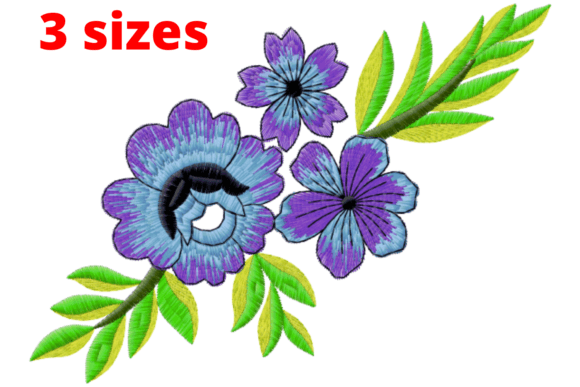
Bouquet Embroidery Design Review for Real-World Use
As an embroidery designer with years of experience working on both personal and commercial projects, I always approach a new design from a practical standpoint. The Bouquet Embroidery Design caught my eye not just for its visual appeal but for how it might translate into the real world—on fabric, in production, and ultimately in the hands of customers. Let’s dive into what this design brings to the table when used for actual products.
First Impressions: A Touch of Elegance and Versatility
The moment I opened the embroidery file, I was struck by the layout and balance of the Bouquet Embroidery Design. It feels like a curated flower arrangement rather than a generic floral motif. The flowers are layered with care, each one distinct yet harmonious within the whole composition. There’s a sense of movement and softness that suggests it could work well on a variety of surfaces and items without feeling out of place.
What stands out is the level of detail—each petal seems to have been thoughtfully digitized. This isn’t just about stitch coverage; it’s about creating something that looks hand-stitched even if it’s done on a machine. That kind of quality can elevate a handmade product or add a professional touch to a custom apparel piece.
Mood and Visual Personality
This design evokes a warm, inviting mood. It’s perfect for projects that want to convey love, celebration, or a personal touch. The colors are vibrant but not garish, making it suitable for both casual and formal settings. The shape is rounded and organic, which gives it a natural feel ideal for gifts, home décor, or boutique-style merchandise.
Real-Life Performance: Where Does This Design Shine?
I tested the Bouquet Embroidery Design on several common project types to see how it would hold up under real conditions. Here’s where it performed especially well:
- Tote bag designs: On a cotton canvas tote, the bouquet looked stunning. The satin stitches gave the stems a smooth finish, while the fill stitches filled the petals with color and dimension. It felt like a high-end accessory without needing complex techniques.
- Sweatshirt embroidery: When placed on the front of a fleece sweatshirt, the design maintained clarity and didn’t lose its charm. The soft texture of the fabric complemented the gentle curves of the flowers.
- Baby items: I tried it on a onesie using a white cotton blend. The running stitches outlining the leaves were subtle yet effective, and the overall look was sweet and appropriate for a personalized gift.
- Pillow covers and aprons: These items are great for showcasing detailed embroidery. The bouquet fit beautifully, especially when paired with simple monogramming or small text accents.
- Holiday gifts: During the holidays, the design adds a festive touch to tea towels, ornaments, and holiday-themed apparel. Its adaptability to different color palettes means you can tailor it to suit seasonal themes.
In all these cases, the design retained its integrity and added value. Customers would likely appreciate the craftsmanship and the thoughtful presentation. As an Etsy seller, I’d say this could be a strong addition to your listings—especially if you focus on personalized or boutique-style items.
Use With Caution: Fabric and Surface Considerations
While the Bouquet Embroidery Design has a lot going for it, there are situations where you’ll need to adjust your approach:
- Small hoop sizes: The design is fairly large and intricate. If you’re working with limited space, consider resizing or selecting only key elements to feature.
- Textured or stretchy fabrics: The delicate lines and fine details may get distorted if not properly supported. Always use the right stabilizer and test on a scrap first.
- Dark backgrounds: Thread contrast is important here. While the default thread colors are lovely, they may not pop on darker materials. Experiment with lighter shades or metallic threads for better visibility.
- Curved surfaces: Think caps, hats, or curved patches. The bouquet’s central placement works well, but corners and edges may require some tweaking to maintain symmetry after stitching.
- Densely stitched areas: Some parts of the design, particularly the center of the flowers, have tight stitch density. Be cautious when using on thin or delicate fabrics, as puckering or distortion could occur.
These aren’t deal-breakers, but they do require attention. For example, if you're making embroidered patches for a craft business, you’ll want to ensure the design doesn’t become too compressed or lose clarity when transferred to smaller formats.
Visual Appeal and Customer Impact
One of the most impressive aspects of the Bouquet Embroidery Design is how it enhances the visual appeal of any item it's applied to. Whether you're adding it to a custom apparel line or creating personalized gifts, it instantly makes the product feel more special.
From a customer perspective, this design conveys quality and attention to detail. It’s the kind of thing that makes people stop and admire a handmade product at a craft fair or decide to purchase a tote bag design online. The visual personality of the bouquet is warm and inviting, which can boost buyer engagement and make your products more giftable.
Design Value and Brand Consistency
For small shop products, consistency is key. The Bouquet Embroidery Design offers a consistent look across multiple items, helping reinforce brand identity. It can be adapted to match your existing color schemes or used as a standalone statement piece.
When it comes to professionalism, the design holds up well. It doesn’t scream “mass-produced” but instead feels artisanal and intentional. This helps build customer trust and positions your products as premium offerings in the handmade market.
Designer Notes: Practical Tips Before Stitching
Here are a few things I recommend before committing to the Bouquet Embroidery Design on a final product:
- Test on scrap fabric: Especially if you plan to use it on a new type of material. Observe how the stabilizer affects the result and whether the thread colors appear as expected.
- Check stitch density: In dense areas, consider reducing stitch count slightly to avoid puckering. Use a good quality stabilizer to keep everything flat and neat.
- Review small details
- Confirm hoop size: If the manufacturer hasn’t specified the recommended hoop size, double-check your machine manual and adjust accordingly.
- Try black-and-white mockups: See how the design translates in grayscale. This can help you understand how it will look with fewer colors or when printed as part of a printable mockup.
- Compare light and dark fabric: Colors behave differently depending on the background. Make sure your chosen palette complements the fabric you’re using.
- Ensure licensing is clear: If you’re planning to sell finished items or digital embroidery files, verify the licensing terms. Many designers offer commercial rights, but it’s always best to confirm before listing anything for sale.
Final Thoughts for Embroidery Project Planning
Overall, the Bouquet Embroidery Design is a solid choice for a wide range of embroidery projects. It’s versatile enough to fit into different niches—whether you're focusing on baby embroidery, holiday gifts, or commercial embroidery for a small shop. Its visual richness and balanced layout make it a standout among other machine embroidery designs, and when handled correctly, it can enhance the perceived value of your finished product.
However, it’s not a one-size-fits-all solution. Pay attention to fabric type, hoop size, and stitch density to ensure the best results. As a reviewer who’s worked on countless design assets, I can confidently say this design belongs in your toolkit—if used with awareness and intention.
If you're looking to create something memorable for your craft business or Etsy store, the Bouquet Embroidery Design is worth exploring. Just remember to test, adjust, and present it with the same care you put into every embroidery project. Your customers—and your creative vision—will thank you for it.