Cook Embroidery Design Review for Real Projects
As an experienced embroidery designer, I’m always on the lookout for machine embroidery designs that strike the perfect balance between creativity and functionality. Recently, I tested Cook Embroidery Design from Creative Fabrica to see how it would perform in a variety of real-world applications—especially since it’s marketed for kitchen-related items. Here’s my honest take after using it across several projects.
First Impressions: Visual Mood and Detail Level
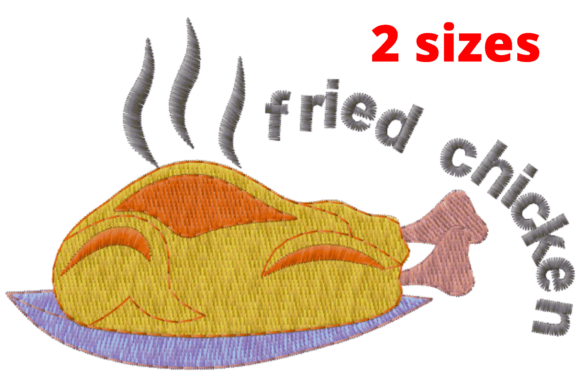
The first thing I noticed about Cook Embroidery is its visual charm. The design features a cooked meal illustration paired with the phrase “fried chicken,” giving it a warm, homey feel that’s perfect for kitchen textiles. It has a whimsical yet elegant touch, which makes it versatile beyond just aprons or towels—it could easily work as a decorative motif on tote bags or even sweatshirts.
I appreciate the level of detail included in the design. The meal elements are rendered with enough texture to be engaging without being overly complex. This means it won’t require hours of tweaking before stitching, which is ideal when working with tight project timelines or multiple custom orders.
Stitching Personality and Decorative Appeal
Cook Embroidery Design uses a mix of satin stitch and fill stitch to create depth and definition. The outlines are crisp, and the interior textures add subtle interest without overwhelming the fabric. It doesn’t rely heavily on running stitch or tiny lettering, which is great for minimizing potential issues with skipped stitches or distortion.
This design feels like it was crafted with both aesthetics and usability in mind. Its soft curves and balanced composition make it visually appealing while also being forgiving for different types of fabrics and hoop sizes. It's not just another generic design; it brings character to any project it’s applied to.
Real-World Performance Across Embroidery Projects
I used this design on a few common handmade and commercial products to test its adaptability:
- Apron Embroidery: As expected, it worked beautifully on a cotton-linen blend apron. The stitch density was appropriate, and the colors popped well against light-toned backgrounds. Darker fabrics were less vibrant, so I recommend choosing lighter threads or light-colored materials for best results.
- Tote Bag Design: When stitched onto a canvas tote bag, the design maintained its shape and clarity. It added a fun, personal touch to a reusable shopping bag, making it a strong candidate for Etsy listings or boutique merchandise.
- Kitchen Towel Embroidery: On a 100% cotton towel, the design held up well after washing. No fraying or puckering occurred, and the colors remained consistent. A good stabilizer helped prevent distortion during the process.
- Sweatshirt Embroidery: The design translated well to stretchy knits with minimal distortion. Using a light tear-away stabilizer underneath made a big difference in maintaining the integrity of the fabric and the embroidered image.
- Baby Blanket and Pillow Covers: These softer, more delicate projects benefited from the gentle nature of the design. It didn’t overwhelm the fabric but still stood out nicely, especially on pastel tones often used in nursery decor.
- Embroidered Patch: When converted into a patch format, the design retained its quality. The edges were clean, and the overall look was professional enough for use on jackets or backpacks.
- Cap Embroidery: Stitching on a curved surface posed a challenge, but the design handled it well due to its compact layout and lack of long straight lines. Proper tension adjustments helped avoid pulling.
Considerations for Textured and Stretchy Fabrics
One of the strengths of this design is its ability to adapt to various fabric types. While it performs admirably on woven materials like cotton and linen, it can still be used effectively on stretchy fabrics such as polyester blends or knit sweaters if the right stabilizer is chosen. For textured surfaces like denim or canvas, the stitch density is sufficient to maintain definition without causing excessive strain on the material.
However, if you're planning to embroider on a very thick or uneven fabric, it might be worth adjusting the design slightly or adding extra layers of stabilizer to ensure smooth results.
Thread Colors and Color Contrast
The thread color palette in Cook Embroidery Design is thoughtfully selected. The main colors are bright and cheerful, which complement the playful theme of the design. I found that the contrast was most effective on neutral or light-colored backgrounds. On darker fabrics, the details became a bit muted, so consider using white or cream thread for better visibility if your project requires bold presentation.
When preparing for a custom order, I always suggest testing the design on scrap fabric of the same type and color as the final product. This helps confirm whether the thread colors will stand out and if the design needs any minor tweaks for optimal placement.
Commercial Use and Licensing Clarity
If you’re considering using Cook Embroidery Design for commercial embroidery, one key step is to review the licensing information provided on the Creative Fabrica product page. Since this design is intended for both personal and commercial use (depending on the license), it’s essential to confirm the terms before selling finished products.
For small business owners and digital product sellers, this design could be a valuable addition to your design assets. It fits naturally within the kitchen category but also works well in broader contexts like casual apparel or personalized gifts.
Impact on Product Value and Brand Consistency
Incorporating Cook Embroidery Design into a product can elevate its perceived value. Whether it's a custom sweatshirt for a food-themed event or an embroidered cap for a seasonal gift, the design adds a touch of personality that customers notice and appreciate.
It’s particularly effective for handmade shops or Etsy sellers looking to offer branded or themed items. The consistent style and quality help build buyer trust and reinforce a cohesive brand identity. Plus, the design’s visual appeal makes for great product photography—something every online seller should care about.
Practical Tips for Using Cook Embroidery Design
To get the best results from this design, here are some practical embroidery notes based on my experience:
- Test on Scrap Fabric: Always try the design on a sample piece before committing to the final product. This ensures the design aligns properly and looks as intended.
- Check Thread Color Contrast: Especially important for dark fabric projects. Consider swapping out some thread colors for brighter alternatives to enhance visibility.
- Review Stitch Density: If you plan to use it on thicker materials or want a bolder effect, you may need to adjust the stitch density in your software.
- Confirm Hoop Size: Make sure the design fits within your hoop size and allows for proper seam space around the edges.
- Use Proper Stabilizer: Depending on the fabric type, a cutaway or tear-away stabilizer can help prevent shifting or puckering.
- Inspect Small Details After Stitching: Check for any inconsistencies in the layered elements or text. A second pass with a magnifying lamp can catch missed spots.
- Compare Light and Dark Fabric Mockups: Before finalizing your product photos, compare how the design appears on both light and dark bases to ensure it meets your aesthetic goals.
- Verify File Details and Licensing: Double-check the hoop size, file formats, and license restrictions on the Creative Fabrica product page before using it in a commercial setting.
Giftability and Customer Engagement
Handmade gifts benefit greatly from designs like Cook Embroidery. The thematic nature of the design—cooking and meals—makes it ideal for baby showers, housewarmings, or even as part of a personalized gift set. Customers love unique, meaningful touches, and this design delivers exactly that.
Its presence on a finished product can spark conversation and connection, which is invaluable for customer engagement. Whether it's a custom tote bag for a foodie friend or a pillow cover for a client’s kitchen, this design adds a sense of warmth and familiarity that stands out in a positive way.
Final Thoughts on Cook Embroidery Design
Overall, Cook Embroidery Design is a solid choice for those who want to incorporate a charming, thematic element into their embroidery work. It’s suitable for both hand and machine embroidery, though it clearly shines in the latter. Its simplicity in execution and richness in visual impact make it a go-to option for crafters, apparel decorators, and digital product sellers alike.
While it's primarily positioned as a kitchen embroidery design, its versatility allows it to be used creatively in other settings. Just be mindful of fabric types, thread choices, and hoop compatibility when integrating it into your workflow.
If you're looking for an embroidery file that balances beauty and practicality, Cook Embroidery Design is definitely worth a closer look. Just remember to evaluate it carefully for each specific project and always test before you commit to production runs.